
Author: Ingeborg Zackariassen.
In the world of Contemporary Dance, there is one word we all seem to use a lot: Process. But what does it actually mean, and can we manage without it?
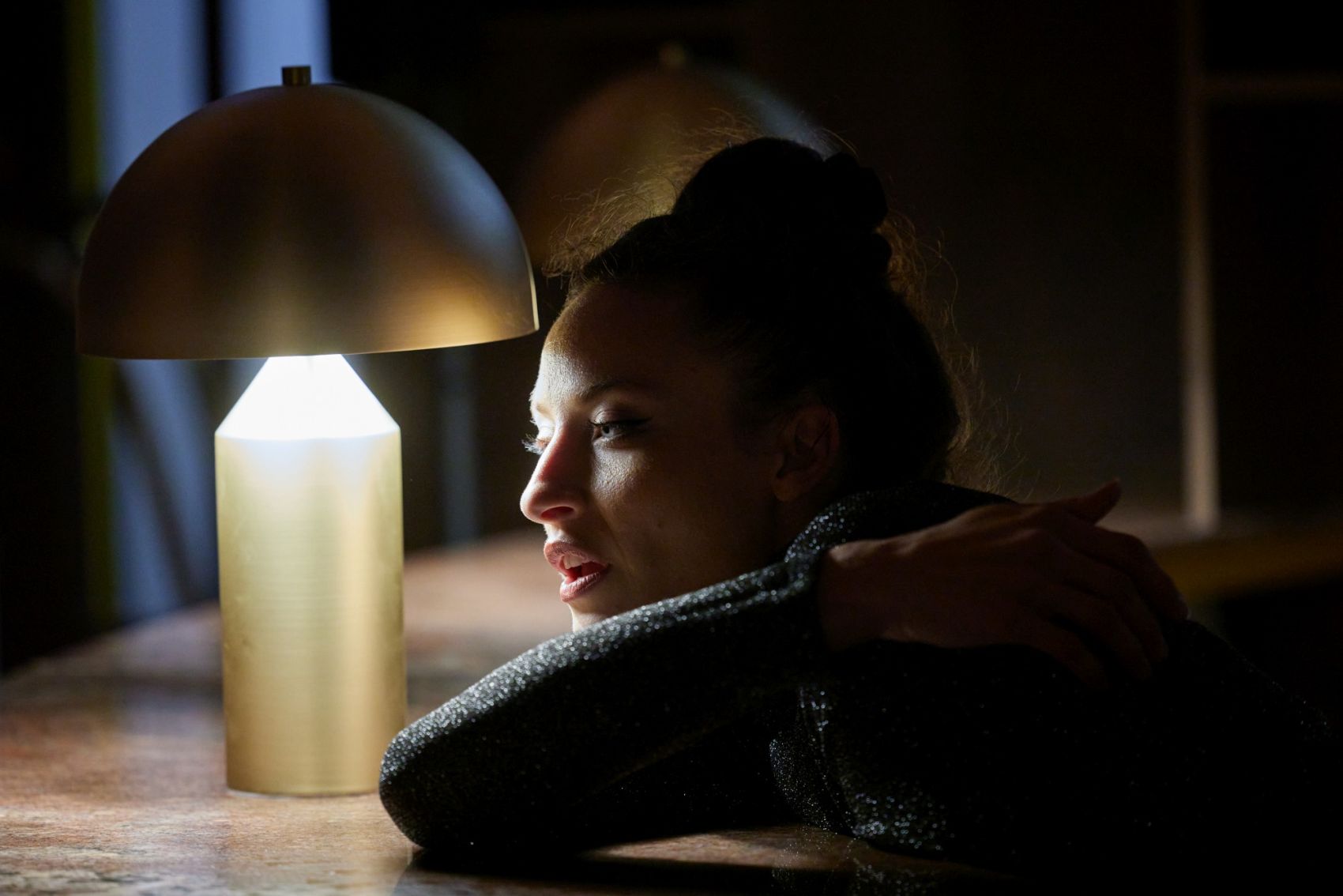 Dance Communication Lab (mentor: Márta Ladjánszki) – Budapest, Hungary – 15 Nov 2025. Photo by Gábor Dusa
While the dawn of AI is rapidly cranking up its brightness to full on solar eclipse-mode, we seem to be reaching for our sunglasses rather than try and dim its light.
So far, the dance field is one of the areas that still depends heavily on human bodies, relying on thinking, feeling creators to survive. But current political attitudes – focused on sellable products and profits – stifle independent dance.
The efficiency logic driving AI development is increasingly shaping how artistic labour is valued, funded, and timed. This moment is an opportunity to reconsider efficiency: Are time-consuming artistic processes becoming redundant?
Within the context of the dance field, there are no shortcuts to in-depth work.
During Sissi Dance Week Festival [SŐT7], several dance works were presented on the Bethlen Square Theater’s stage. Some were well crafted, others had great performers lifting the level.
Still, the piece that affected me the most didn’t have any costumes, scenography, or lights. In fact, it didn’t even have a title – it didn’t need one.
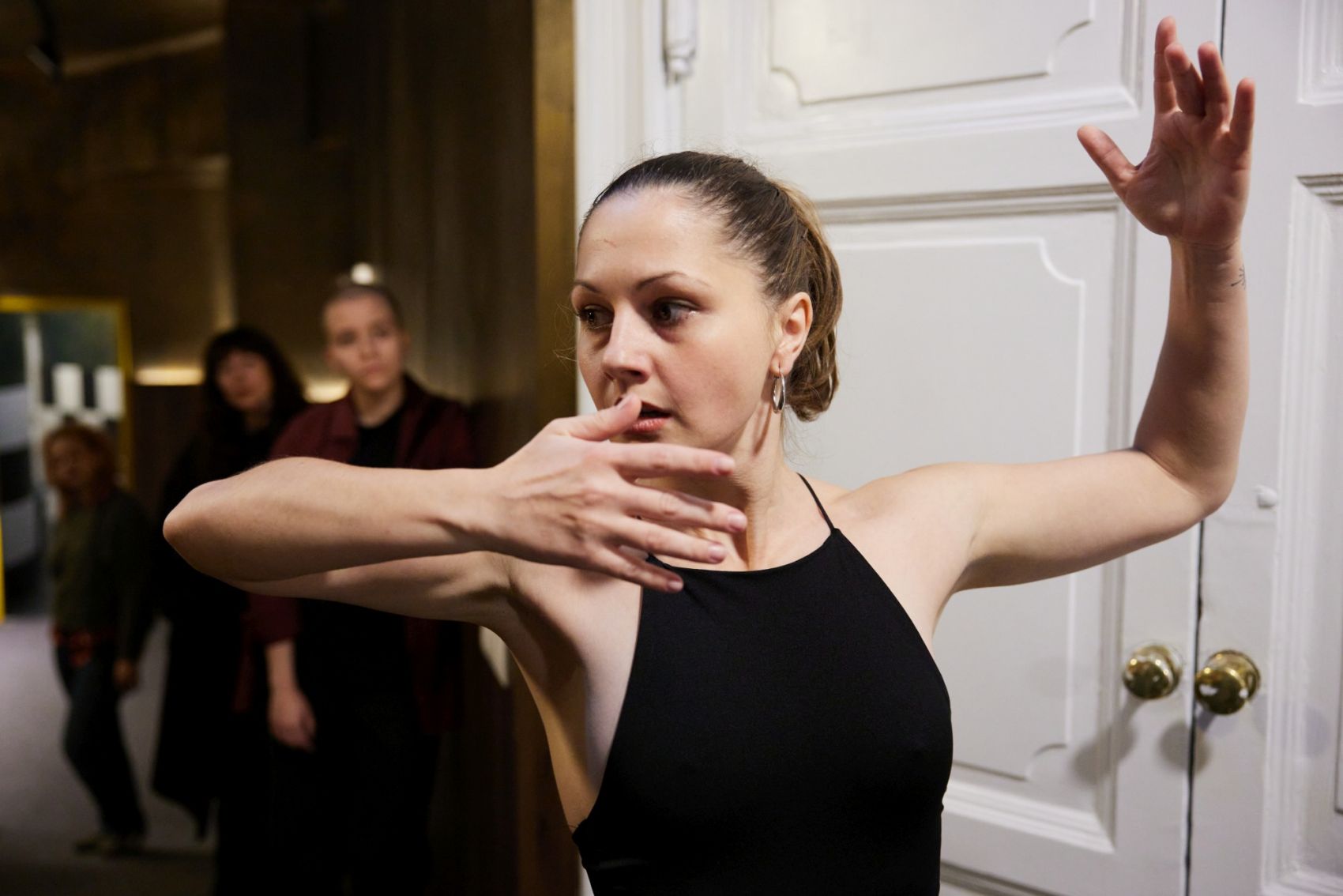 Dance Communication Lab (mentor: Márta Ladjánszki) – Budapest, Hungary – 15 Nov 2025. Photo by Gábor Dusa
Choreographer Márta Ladjánszki welcomes me at the door of SÍN Arts and Culture Center. Established in 2009, it was an initiative by independent dance makers to develop creative work. The location is remote, so the feeling is stepping into a small bubble of creativity among car dealerships and apartment buildings.
As so often I’m reminded that there’s a real need for these kinds of places also in the midst of city landscapes. A vital art scene is exactly the injection needed to counter the increasingly suffocating commercialism of cities.
Ladjánszki is as generous in her artmaking as she is a brave and vocal advocate for the scene. I’m invited to step into the studio and join the circle. The group consists of six dancers from different European contexts, each bringing their own solo material into the process. We start with warming up the body and voice.
From the very start, I witness a heightened focus and intense movement investigation. Composing the material is currently the focus, as the public showing at Bethlen Square Theater marks the end of the workshop.
But compared to so many creators I’ve experienced nervously chasing perfection before presentation, Ladjánszki keeps a calm, collected focus on process throughout. The attention is kept on discovering something, rather than projecting towards the performance as the ultimate goal.
One thing that struck me already in the warm-up is the use of voice – when it’s included as a natural part of the body, it can integrate into solo material without feeling forced.
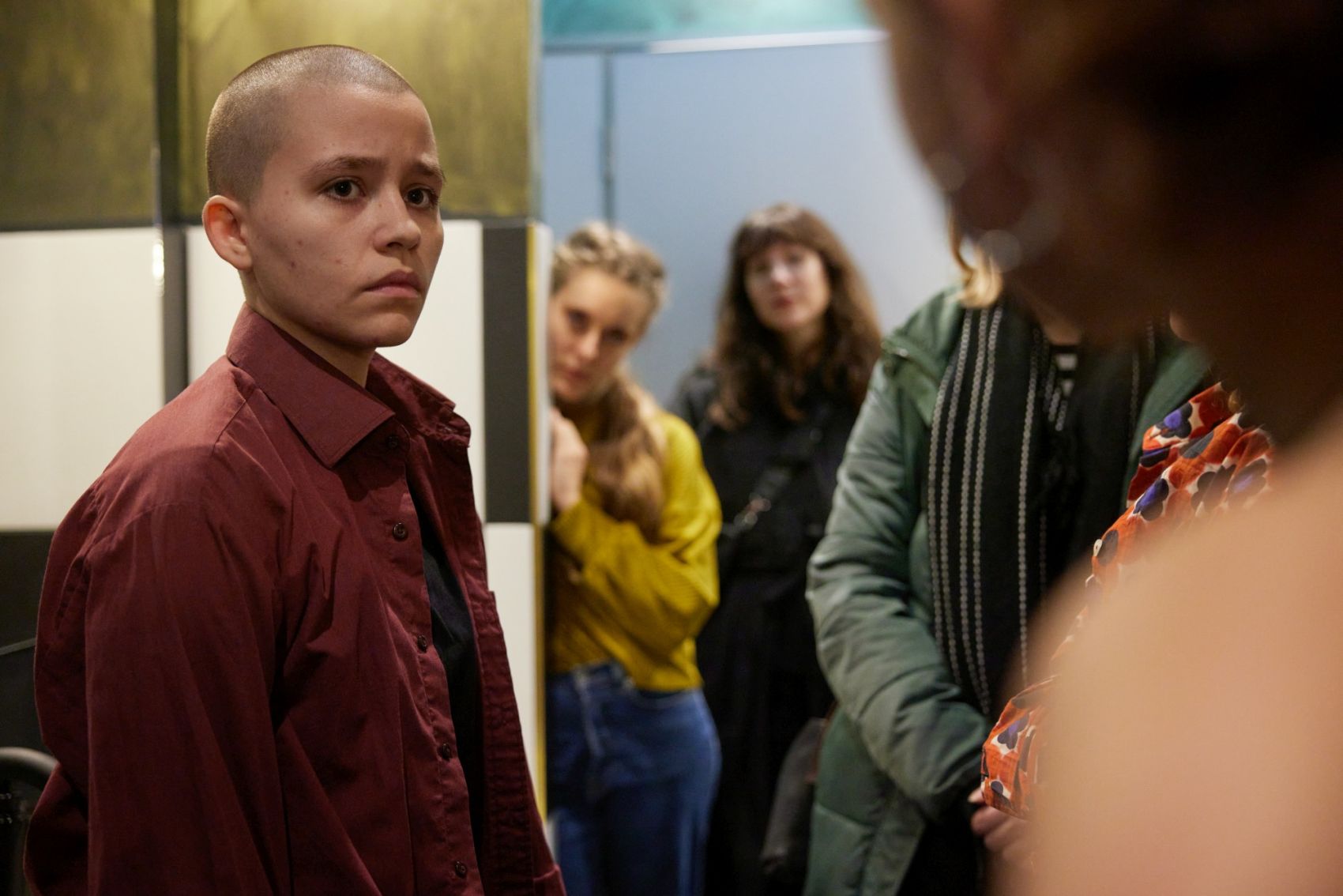 Dance Communication Lab (mentor: Márta Ladjánszki) – Budapest, Hungary – 15 Nov 2025. Photo by Gábor Dusa
Rhythm and breath are intertwined with the music of Zsolt Varga, whose sound fills the room. The interplay between him and Ladjánszki is as natural as any conversation with someone you’ve known forever, and it turns out they have in fact worked together for more than 20 years.
Ladjánszki deliberately gives the young dancers a lot of space to explore what they find interesting. While she suggests a heightened focus on solo work, many of the dancers want to break free from their own material and express a need for dancing together. Lately I’ve seen a growing tendency for unison on stages across Europe. While being a common compositional tool in the bigger institutions, parts of the independent scene seem to adopt it as well. The reasons behind it? Perhaps it’s a reaction to the separation experienced by many during the pandemic – a wish for unity. Or it could be institutional aesthetics sneaking in.
Often, dancers become more anonymous the more they attempt to dance together, as it requires “staying in line.” How can one prevent that an attempt to create power through unity rather becomes a washed-out “sameness?”
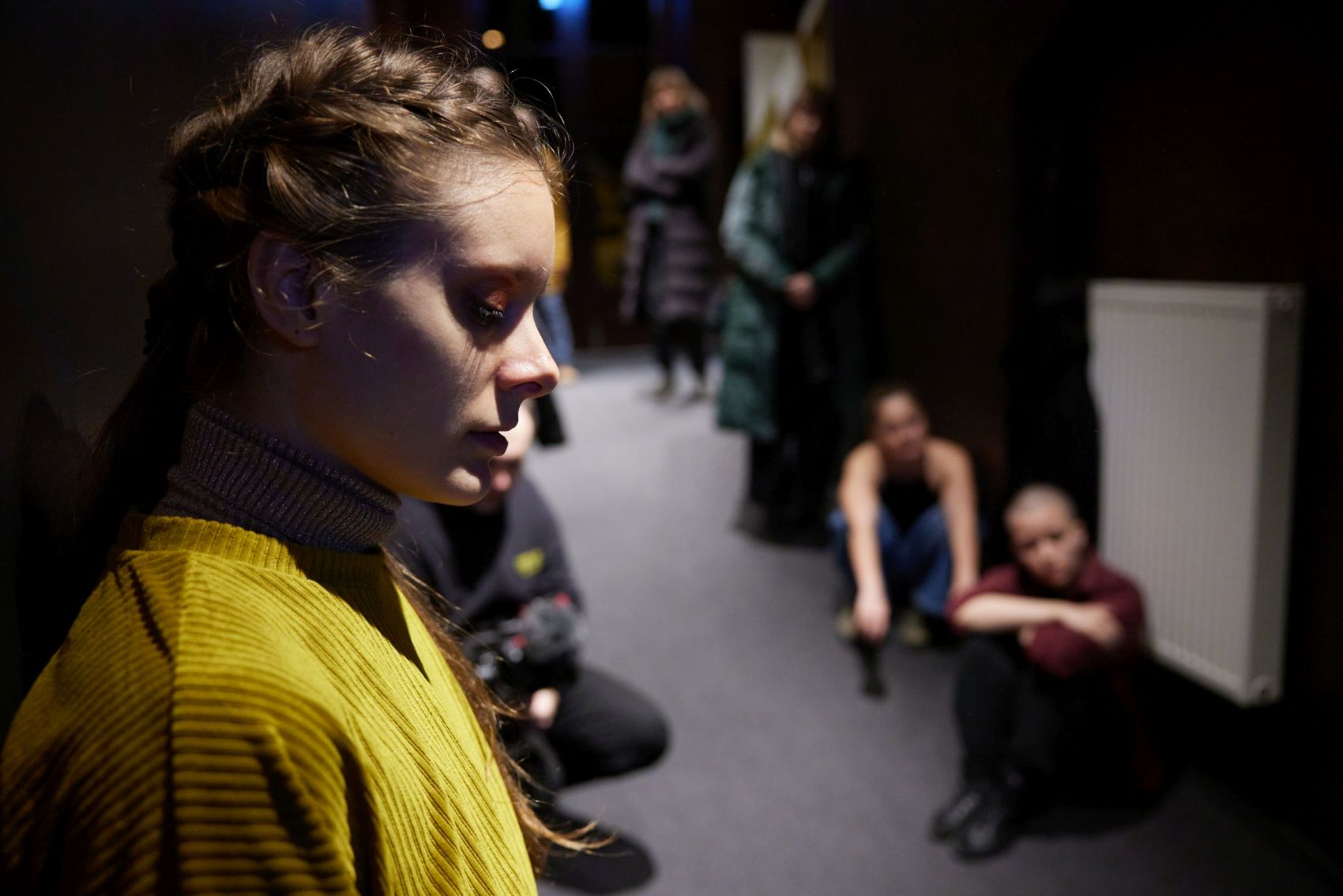 Dance Communication Lab (mentor: Márta Ladjánszki) – Budapest, Hungary – 15 Nov 2025. Photo by Gábor Dusa
Through methods offered by facilitators like Ladjánszki, which resist homogeneity, dancers are able to claim space and keep personal movement integrity while feeding into collective action. Despite the freedom within the work, it’s not unstructured. Ladjánszki offers a clear frame for experimentation, through suggesting certain spatial and relational boundaries, as well as emphasising the awareness of intensity in order to create dynamics in the work.
She encourages the dancers to speak their own languages, and suddenly the room is filled with a mixture of words creating a sound landscape of fragmented bits of communication. This adds to the sense of heterogeneity in the group and reminds us that we all have our own histories and backgrounds.
Another important factor is incorporating the music as a full member of the piece rather than a backdrop – this approach means that musicians involved in dance pieces carry a shared responsibility – not only for the music but for the piece as a whole.
Some questions I’m left with after observing Dance Communication Lab are: “Is dance not always communication? And if not, then what is it?”
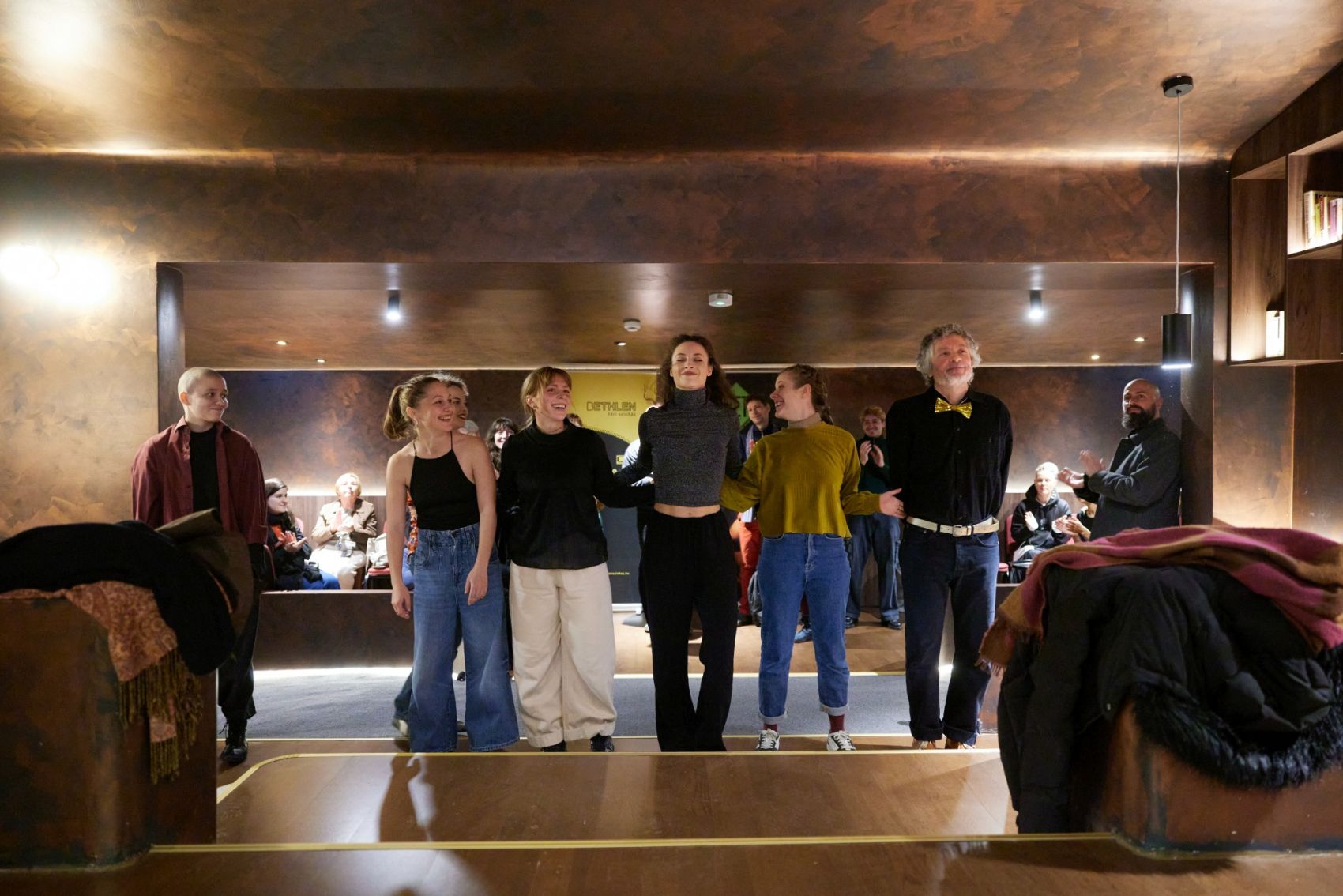 Dance Communication Lab (mentor: Márta Ladjánszki) – Budapest, Hungary – 15 Nov 2025. Photo by Gábor Dusa
During two intense days, Ladjánszki managed to create a moving work without needing any spectacle to support it. But decades of investing into process and experimentation support her ability to facilitate this.
It’s not a simple task to teach dancers to take individual responsibility as a part of a group, rather than competing for the audience’s attention. In this kind of work, a lot of trust is needed on an individual level to lift the work – not just one’s own talent – dancers are required to find the right moments to listen, to lead and to follow, and that requires awareness of the space and of the others in it. It requires a generous “pouring” of movement; of not holding back when a moment of generosity is needed; of giving space and breath when the piece demands; of actively giving focus to someone else.
We require the type of investment that artistic processes give – in order to deepen our artistry, craft, and kinetic understanding of what we do.
This text was written by Ingeborg Zackariassen within the framework of the Beyond Front@: Bridging Periphery project.

